The Role of Streaming Services in the Modern Gaming Ecosystem

Streaming services have accelerated the social evolution of gaming over the last decade. Gaming has expanded beyond living room TVs and PC screens, now encompassing on-demand libraries, cloud gaming services, and social livestreams. Streaming has revolutionised the distribution, viewing, and consuming of games today, not only the playing.
Traditional amusement has been replaced by always-on entertainment, spawning new audiences, behaviours, and opportunities.
Platforms like VerdeCasino reflect this shift toward interactive, real-time engagement. Let’s take a look at the rise of streaming, which started with the advent of game streaming services.
The Rise of Game Streaming Platforms
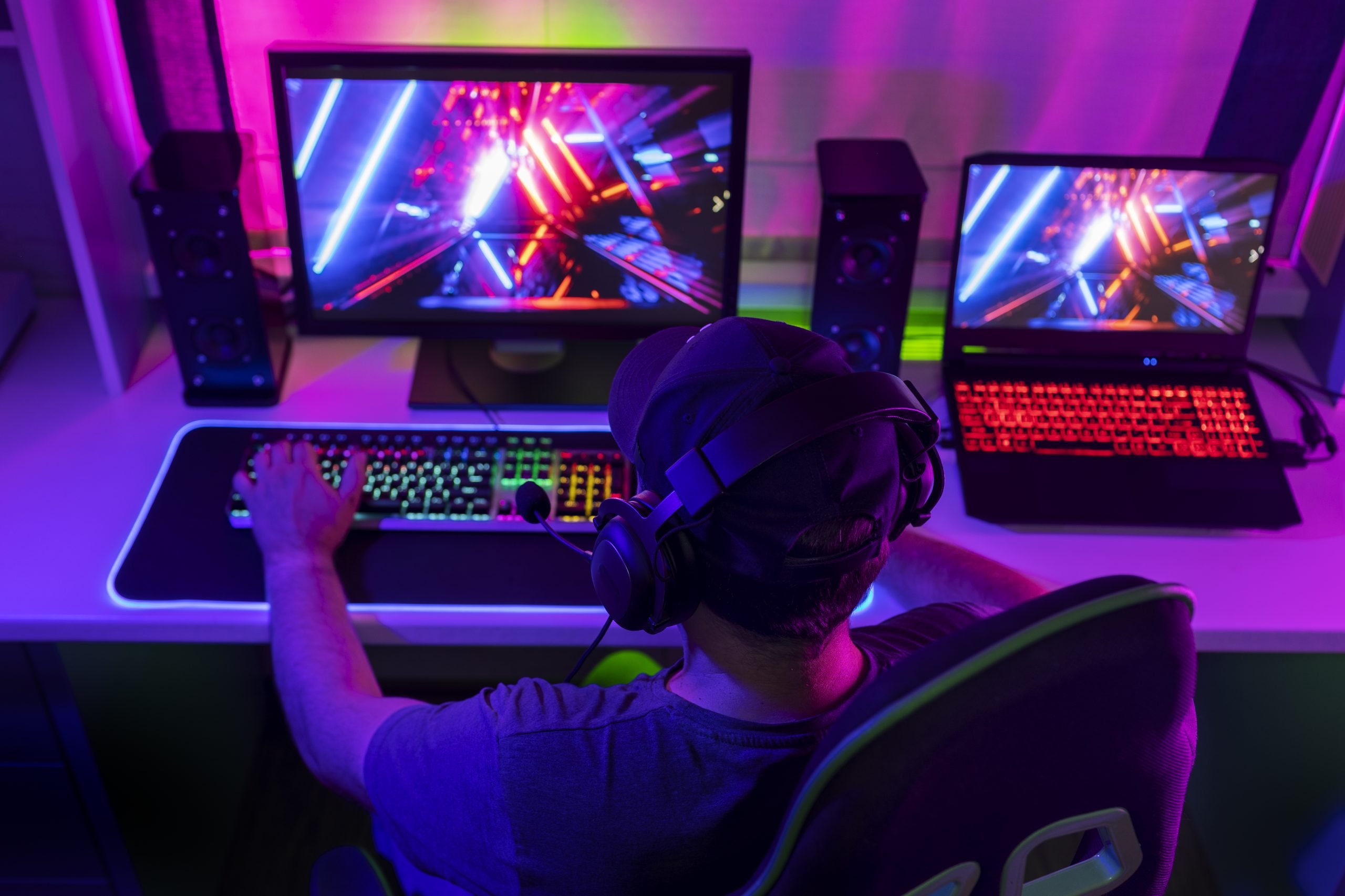
The forerunners of the game live broadcasting service idea first started streaming rudimentary gameplay footage to a small online audience. Today, Twitch, YouTube Gaming, and Kick have all evolved into cultural epicentres where millions of gamers and spectators flock daily.
Twitch’s billions of hours of user-generated content are consumed annually. This increase in popularity reflects a significant paradigm shift in media consumption from passive to active.
Users can view everything from casual playthroughs to competitive eSports tournaments. These services are more than just a place to watch for many gamers; they are also a location to hang out, learn new skills, and be part of a community of like-minded people—a dynamic ecosystem where game content and consumption affect audience and participation equally.
Cloud Gaming: The New Frontier
Cloud gaming is all about accessibility, while livestreaming is all about viewing others play. Xbox Cloud Gaming, NVIDIA GeForce NOW, Amazon Luna, and PlayStation Plus Premium are just a few examples of cloud-based services that let players stream high-quality games directly to their screens.
Users never need to download games or have expensive hardware since the game is hosted on remote servers. The user interacts with the game in real-time over an internet connection, similar to streaming services like Netflix. Cloud gaming removes the limitations of high-priced GPUs, storage requirements, and bulky file sizes.
A greater audience can enjoy interactive media by providing accessibility, affordability, and cross-device flexibility for the contemporary gamer.
Publishers and developers can also take advantage of this. Smaller studios can now reach global audiences without worrying about expensive user requirements or physical distribution. Broadcasting services are considered a driving force for the gaming industry’s growth and diversity.
How Streaming Influences Game Development?
Streaming platforms have a direct impact on the design, marketing, and support of games, as well as their distribution. Audience engagement is now considered vital to a game’s success by game developers. Games that enable community-driven content, replayability, and social participation thrive on broadcasting services.
Games like Among Us, Fortnite, and Valorant are prime examples. Streamers and influencers showcased the game’s qualities and created viral moments, in addition to traditional advertising, which collectively contributed to the game’s enormous success.
Developers and audiences can now communicate more directly than ever before. Viewer reactions, remarks, and recommendations often prompt the development of immediate patches, upgrades, and new content releases.
The Business of Streaming: Monetization and Market Expansion
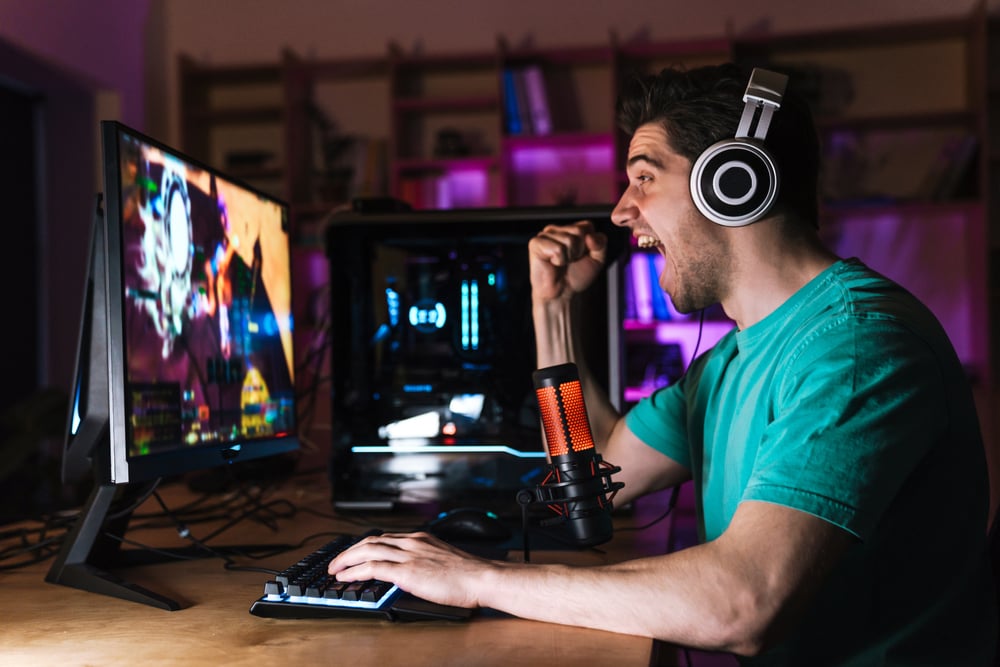
Streaming services have also altered the way money circulates through the gaming economy. Advertisements, donations, memberships, sponsorships, and affiliate programs enable creators to monetise their content, transforming what was once a hobby into a full-time profession.
This user-generated economy also motivates participation on platforms.
The more successful content creators are, the more audiences tune in, and the more advertisers and game publishers recognize the value in these platforms. The exchange between game developers and broadcasting platforms has also become prevalent, ranging from restricted in-game awards for watching specific streams to early access events.
Cloud gaming firms, on the other hand, are relying on subscription plans that are comparable to Spotify or Netflix. The user is given access to extensive libraries of games in exchange for a monthly fee, often bundled with other benefits such as cloud storage or exclusive content.
Gamers’ value perception has been fundamentally altered as a result of the shift from ownership to subscription-based accessibility.
Challenges in the Streaming Ecosystem
Streaming has considerable potential, but several hurdles stand in its way. Latency, internet speeds, and regional infrastructure remain the primary technical challenges for cloud gaming. Slow reaction times may make even minor delays excruciatingly agonizing for certain people.
Fast-paced games, such as shooters or fighting games, are particularly susceptible to performance drops, as they can significantly impact the overall virtual play experience.
The issue of content saturation is next. Gaining exposure for new streamers is becoming increasingly complex as millions of content producers battle for audience attention. Smaller developers may have shorter content lifespans and lower discoverability due to the saturation.
Copyright and privacy issues are also problems. When artists play music or game content without consent, they risk strikes or takedowns, making it harder for streamers to make a living.
The equilibrium between intellectual property rights, fair use, and creative freedom is constantly changing as the gaming ecosystem expands.
Community and Cultural Impact
Video broadcasting services’ cultural impact is arguably the most significant. Gaming has evolved from a specialised niche pastime to a mainstream entertainment medium, thanks to streaming, and is now capable of rivalling films and TV shows.
The audience of gaming streamers now spans a diverse range of ages, languages, and locations, and has evolved into a contemporary form of celebrity.
Streaming has also made the video game industry more inclusive than ever before. Gaming access via broadcasting or cloud-based trial sessions is now feasible for those who previously felt excluded due to cost or access issues.
It’s worth noting that video game communities further social interactions, learning, and teamwork—values that extend far beyond the screen.
The Future of Streaming in Gaming
Streaming is poised to reach new heights in the future, thanks to the integration of AI, VR, and 5G. AI-powered recommendations will individualise gameplay and content in the future. Virtual reality streaming has the potential to enable fans to “step into” a streamer’s world by sharing immersive experiences in real-time.
Cloud gaming is poised to finally go global as 5G advancements lower latency across locations. The distinction between playing and watching will also continue to fade away.
On the same platform, we may soon seamlessly switch between live viewing and game play in both directions, producing a unified entertainment experience.
A Connected Industry: The Enduring Role of Streaming Services
Streaming platforms are now the lifeblood of modern gaming, connecting developers, creators, and players in one place. What began as rudimentary broadcasts of gameplay has evolved into a global network that has transformed how people play, share, and consume video games.
Broadcasting has made gaming more inclusive and engaging than ever before, from live communities that help gamers become influencers to cloud platforms that remove hardware boundaries.
Streaming enables creativity, connection, and a sense of belonging, far beyond game play, and is representative of gaming’s future: flexible, social, and interconnected.
