The Easiest Board Games to Play – and Why We Love Them

Not all board games need a good half-hour of rule explanation before the first round. Some games hit the mark because they are immediately understandable, fun from the very first move, and because they spark laughter instead of frustration.
In a daily life shaped by screens, information overload and constant hurry, many people look for activities that allow them to unwind without stress.
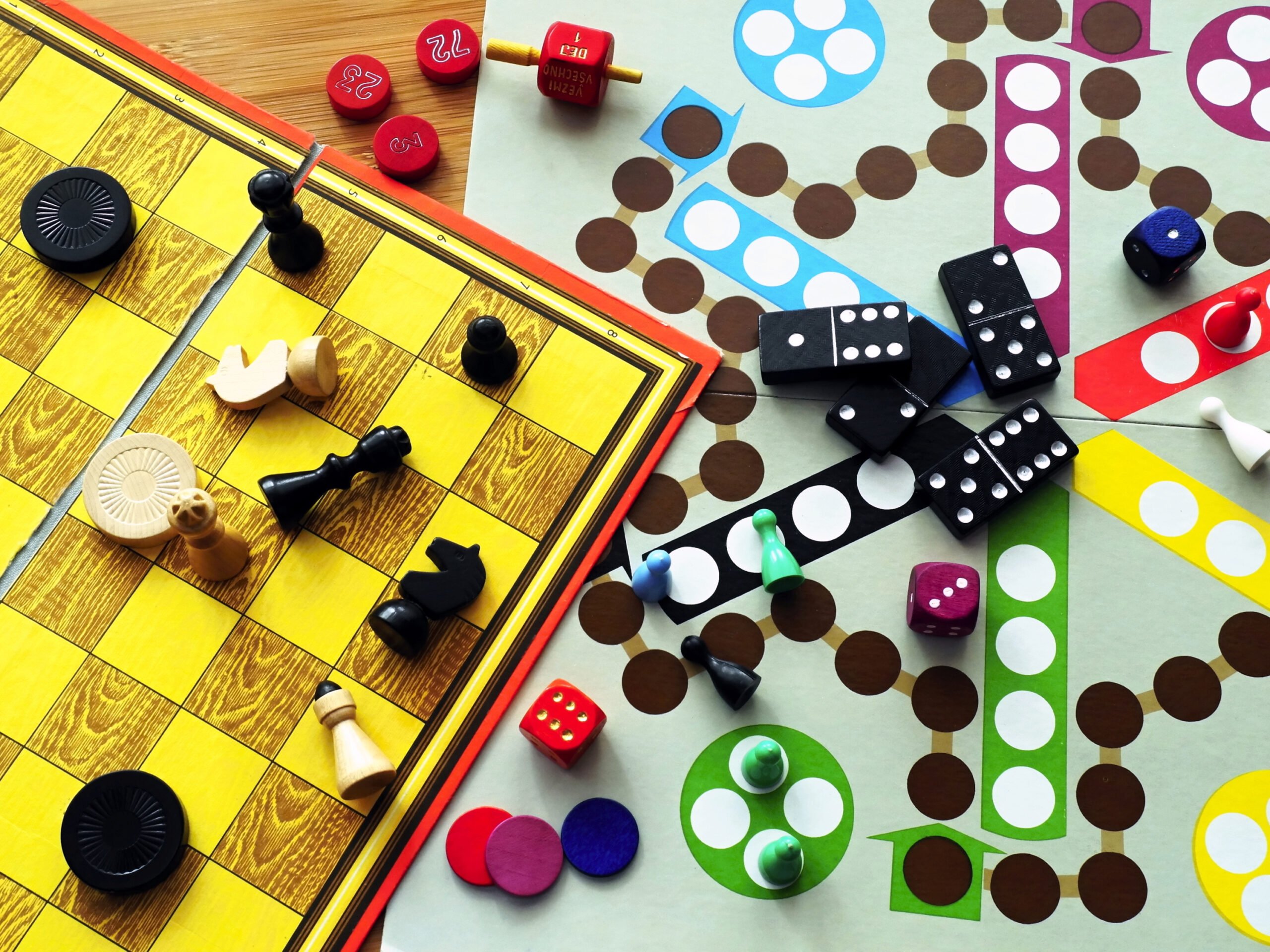
That’s where simple board games come in. These are games you can learn in a moment, but play for hours without getting tired of them. And you can share them with others.
This trend toward low-threshold entertainment also exists in digital environments. Modern online casinos and apps have made gaming more intuitive and user-friendly.
In the same way, new casinos such as those seen at https://www.pokerscout.com/no/casino/nye-casino/ offer quick rounds and clear design to lower the threshold for entertainment. Both on screen and on the tabletop, the keyword is the same: simple joy.
Why Choose a Simple Board Game – Three Good Reasons
There are many reasons why people return to simple games, even in a time when the choices are endless.
- Enjoyment without stress: When the rules are simple, the laughter comes faster. You don’t have to sit reading a rulebook while everyone else waits. The game becomes social right away and isn’t swallowed up by technicalities.
- Suitable for all ages: Family nights, friend groups, birthdays, and other occasions. Simple games unite generations. No one needs prior knowledge, and everyone gets a sense of mastery.
- The perfect balance between chance and tactics: The best easy-to-learn games offer just enough strategy to make you feel clever when you win, but not so much that you have to calculate probabilities.
As Tek.no writes in its major board game test, the games people actually play again and again are rarely the most advanced ones. They are the ones that offer quick fun and clear rules.
Characteristics of Good, Simple Games
Simple games work because they remove everything unnecessary. The best ones are characterized by:
- Short playtime: 10–30 minutes is ideal.
- Easy setup: Few pieces, no complicated start.
- Instant understanding: You get the goal on the first try.
- Social focus: The game encourages interaction, not silence.
Games like Dobble, UNO and Just One are classic examples. You can learn the rules in under two minutes, yet they still create energy, laughter and small sparks of competition.
Five Easy-to-Learn Board Games That Always Work
Choose one of the five games below for a guaranteed fun round or two with friends.
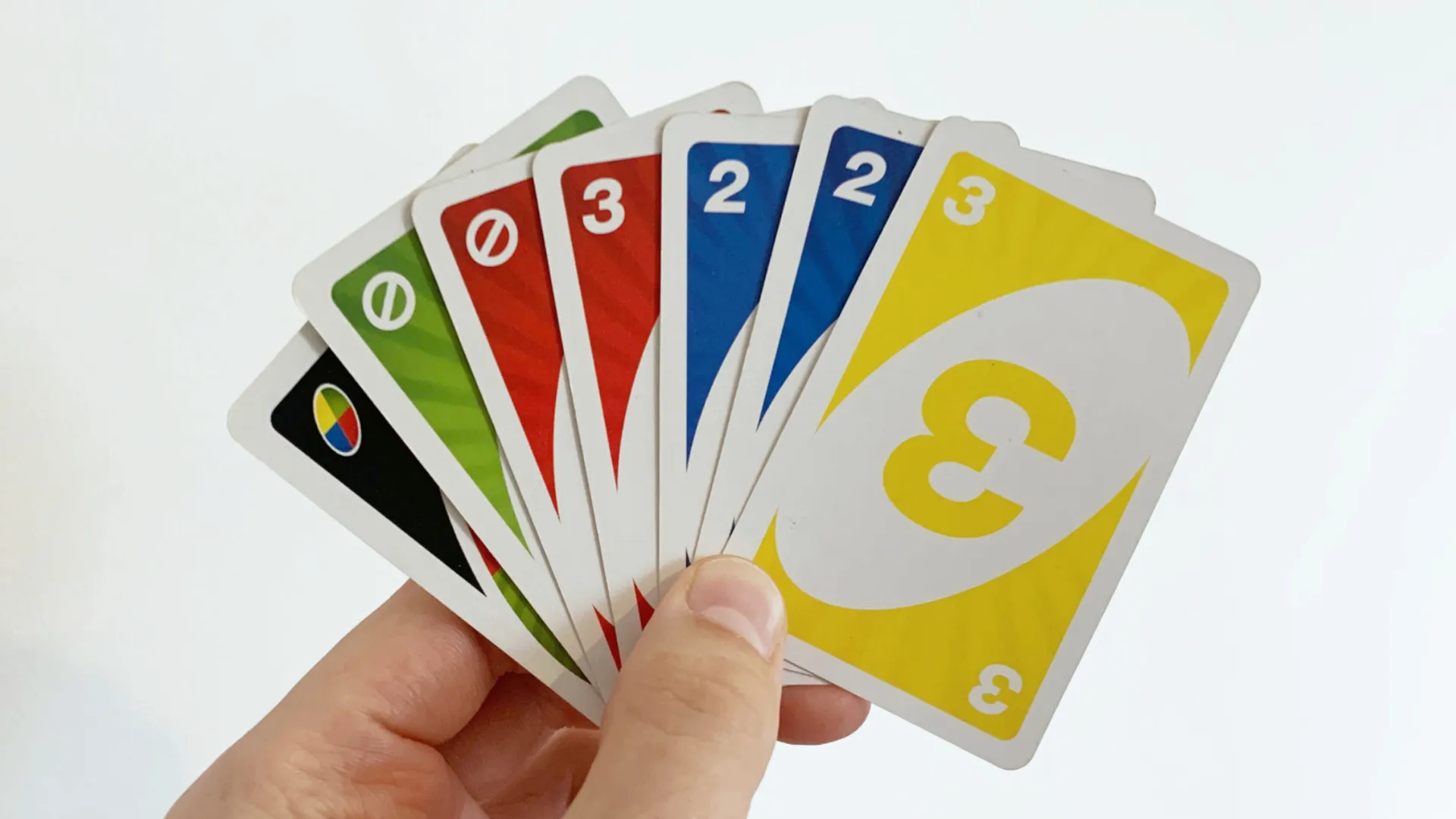
- UNO: A timeless classic that works in any setting. The rules are simple: get rid of your cards first. The rest is laughter, tactics and a bit of irritation – exactly as it should be.
- Qwirkle: Short and sweet: Combine colors and shapes to create rows. No prior knowledge required, but it still feels logically challenging. Perfect for both kids and adults.
- Sushi Go!: A quick and charming card game where you “build” a sushi menu by choosing the best combinations. Easy to learn but surprisingly strategic.
- Codenames: A cooperative game where players must connect words in clever ways. Played at everything from game nights to office parties and always triggers plenty of laughter.
- Just One: A word game where everyone helps one player find the correct answer – without using matching clues. The result? Chaos, humor and teamwork.
Several of these appear in Norlis list of top 10 family games, where they are highlighted specifically for their combination of simplicity and high entertainment value.
Games That Fit Our Time
We live in an era where everything moves quickly – and that affects how we play. Today’s most popular board games don’t demand patience, but instead offer immediate feedback. That makes them perfect for short breaks, cabin trips, or evenings when you just want to relax.
Rather than competing with digital games, board games complement them: they provide physical presence, eye contact and laughter. They remind us why we play in the first place – not to win, but to be together.
Games That Build Community
Psychologists have long pointed out that games, especially social ones, have a positive effect on mental health. They reduce stress, increase concentration and strengthen bonds between people. Simple games have a unique advantage here: you don’t need to perform to take part.
Instead of “who is the smartest,” it’s about who dares to join, laugh and let go of control. That’s why easy-to-learn games are so popular in companies, therapy groups and classrooms – they create safety and energy.
Simple Doesn’t Mean Superficial
A game with few rules can still be deeply engaging. It’s not about complexity but about design.
Well-designed games make every action meaningful, and every move feels intuitive.
A game like Carcassonne shows this perfectly: few choices, but great strategic depth. You can play it with children, but also use it as mental training for adults. In this sense, simple games are small masterpieces – they deliver maximum experience with minimal effort.
A Breathing Space from Screens and Speed
When everything in everyday life demands attention, board games are a quiet room. They provide focus and presence while satisfying the need for social contact.
That may be why interest in board games increases year by year in Norway. People seek genuine connection – not just digital likes. Simple games offer exactly that: laughter, community and small moments of meaning.
Conclusion: True Joy Is Seldom Complicated
You don’t need advanced strategies or five game nights to master a game. You just need friends, laughter and a few simple rules. Whether you play UNO, Qwirkle or Just One, the point is the same: it’s not about winning, but about being present. In a complex world, the simplest joys are often the best – and the most lasting.
