Strategic Thinking: How Planning Moves in Board Games Improves Your Life Predictions

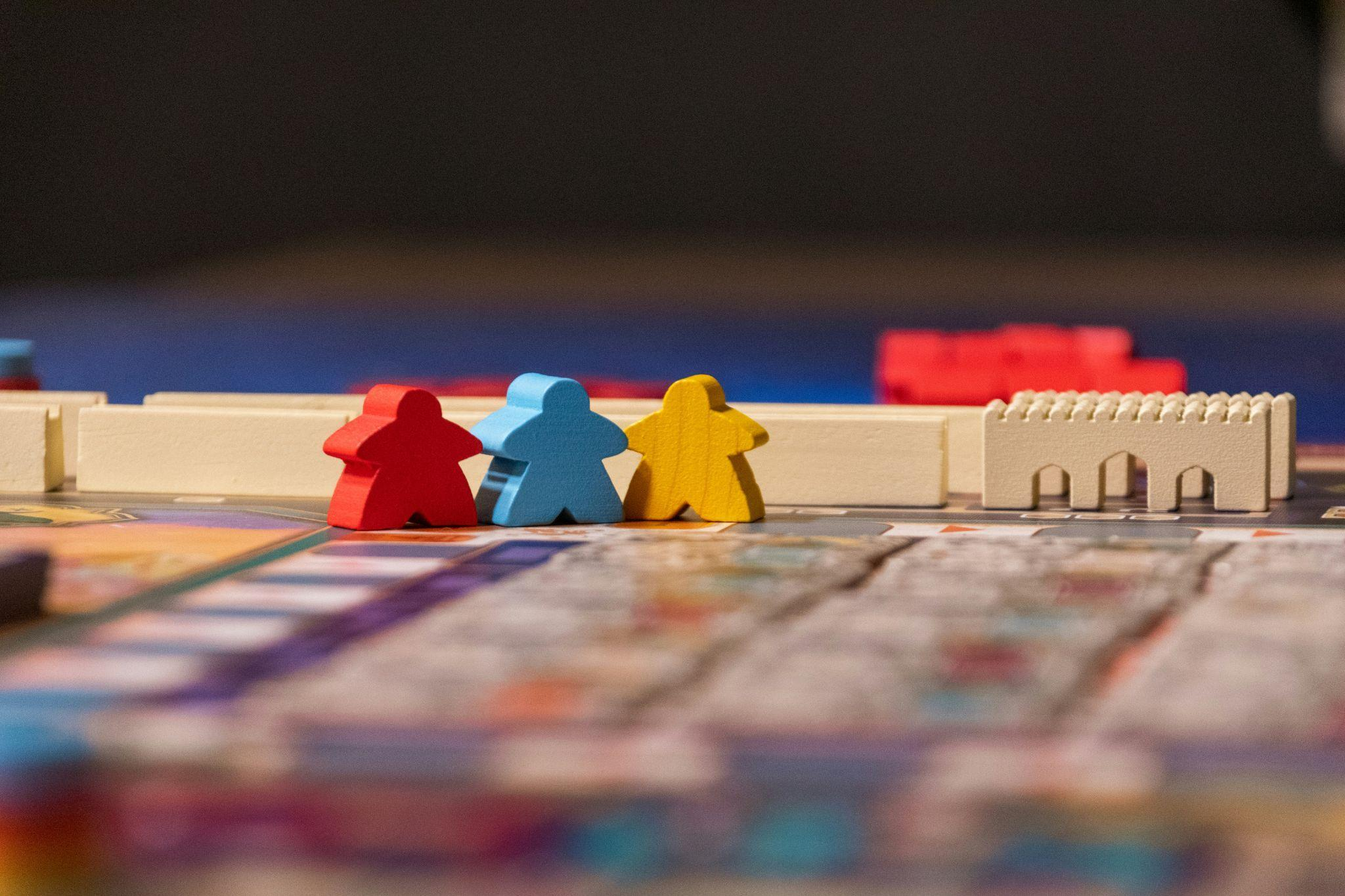
Some evenings, the future is only six squares away. You sit at a table with a cardboard map of the world or a tight little grid of hexes, fingers resting on wooden pieces, eyes tracing paths that do not yet exist.
Strategy board games invite you to live in the next turn long before it arrives, to feel the weight of consequences before you commit to a move. When you keep doing that over and over in lots of plays, it changes how you see things in real life.
Researchers have begun to take this seriously. A 2019 systematic review of 71 board-game intervention studies found that structured board-game play can improve attention, memory, and executive skills, as well as social interaction in some groups.
More recently, a randomized trial involving modern board and card games found that regular game play serves as basic executive function training for children at risk of social exclusion. It’s clear enough: under the right conditions, games become training grounds.
Board games as laboratories for prediction
In a good strategy game, you are not just “having fun”; you are rehearsing structured prediction. In chess or Go, every move is a question: what are the most likely replies, and what do they unlock several turns from now?
Reviews of research on chess and similar abstract games suggest that sustained practice can enhance attention, working memory, planning, and other executive functions, with benefits observed in both young players and older adults.
Modern tabletop design multiplies the ways this predictive thinking appears. Euro-style games push you to manage scarce resources and build multi-step engines.
Cooperative titles force you to weigh risks across the whole table. A 2024 review of “reveal-and-react” analog games determined that certain board and card games could provide structure to interventions aimed at supporting executive functions, attention, memory, and problem-solving abilities in children.
Cooperative planning and shared foresight
Cooperative board games add another dimension. Those who use cooperative games in classrooms and for team-building consistently point to the same cluster of benefits: improved teamwork, clearer communication, and shared problem-solving. These games work because they demand exactly the skills groups need in real projects:
- Sharing mental models of what might happen next.
- Dividing tasks according to strengths and weaknesses.
- Updating a plan as new risks emerge.
When you coordinate to prevent an outbreak in Pandemic or hold a fragile line in a scenario-heavy co-op, you are rehearsing the same habits that keep teams functional in crisis meetings or tight deadlines.
From cardboard maps to daily decisions
People who spend years reading boards tend to build certain reflexes. Psychological and educational work on games suggests that strategic play can train us to assess situations, weigh options, and adjust our approach based on the feedback we get.
At the same time, newer studies remind us that not every game yields broad cognitive gains: one PLOS ONE paper found that video games, but not board games, predicted certain cognitive performances in their sample.
Games do not make us omniscient, but they do provide repeated, low-risk practice in thinking through consequences. Whether you’re negotiating a deadline, planning a career shift, or choosing the moment for a difficult conversation, the instinct to map possible futures before acting is the same instinct you practice every time you stare at a contested board.
When strategy meets odds: applying skills in betting
There is another arena where prediction, risk, and reward intertwine: sports betting and casino games. Used carefully, the habits you learn in board games can make this world less impulsive and more analytical. In a well-designed strategy game, you learn to respect probabilities.
The same mindset is useful when you look at a betting slip, but instead of chasing hunches, you begin to ask what the underlying information actually supports.
For a user who already enjoys thinking in terms of risk and reward, to login melbet is to open the door to applying that mindset in a controlled way: checking the team form, comparing odds, and placing only those bets that fit a planned strategy and pre-set limits rather than being driven by a passing emotion.
The key is the same as at the table: know your objective, know your boundaries, and accept that not every well-reasoned move will succeed.
Communities that think together
Online, specialist pages and social channels turn this into an ongoing seminar in probability. For a fan used to thinking several moves ahead at the board, following MelBet Instagram Somalia is a natural extension: another place to watch people read patterns, challenge each other’s forecasts, and refine their sense of how a match might unfold.
There, subscribers receive fresh football and esports statistics, detailed breakdowns of foul patterns and goal timing, and meta-analysis of digital games, all wrapped in a steady flow of memes that keep things human. And everyone understands that the lesson from a lost bet or a failed strategy is not humiliation but data for the next attempt.
A quiet rehearsal for the future
Strategic board games do not give us clairvoyance. Each time you move a pawn, shift a token, or lay down a card that will not pay off for three rounds, you are practicing the art of living with incomplete information.
You learn to commit without certainty, to revise without shame, and to accept that even the best-prepared plan can be overturned by a surprise draw.
