
The Educational Benefits of Cooperative Board Games for Teens

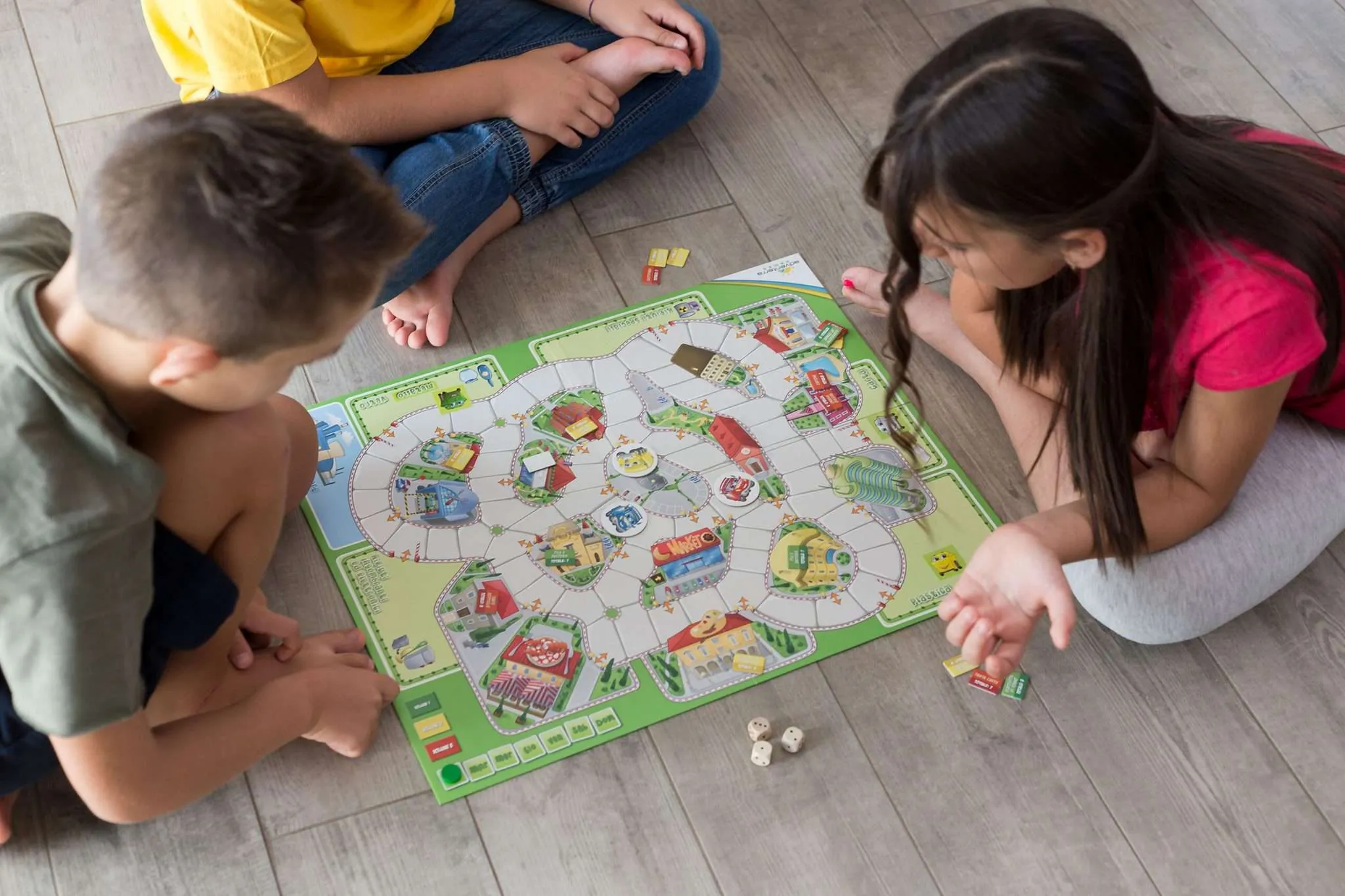
Teenagers need opportunities to practice genuine teamwork and safe spaces where they can make mistakes and try again. Cooperative board games provide both. Instead of competing against each other, players work together to solve problems.
That shift gives teens experiences schools rarely offer, letting them practice communication, patience, and collaboration in a natural, engaging way.
It makes learning fun, turning challenges into shared adventures. Teens are able to test ideas, experiment with strategies, and celebrate small successes together.
Why Shared Goals Matter for Teens?
Cooperative games require players to work together to devise a plan. When a group chooses a strategy, teenagers practice speaking clearly and effectively. They learn to describe ideas without interrupting each other. Those small habits transfer to group projects and clubs.
Playing with a shared goal reduces competitive pressure and lets quieter students contribute, so essay writing services can be useful when teachers assign individual reflections after gameplay.
A brief reflective essay helps teens put into words what they learned. Writing lets them make their hidden strategies clear and understandable.
Communication: Speaking, Listening, and Timing
In a game like Pandemic, timing is everything. Players have to declare what they intend to do and alert others. This trains succinct speaking and listening for signals. Teens learn to give quick updates. They also learn to stop and allow others to speak.
Basic rules for communicating: One person, one voice at a time, be clear. Rational discourse can greatly contribute to a more fluid teamwork.
Among our students, who appear to have difficulties voicing their thoughts while working in groups, it may well be a matter of articulating reasoned propositions.
Emotional Intelligence Through Shared Mistakes
Failure can be a common issue in co-op play. Losing a game can be a form of group bonding in the face of adversity. Teens practice disappointment expression without blame.
They discuss frustrating moments, acknowledge their own reactions, and hear how others felt as well. They discuss what went wrong and do something different next time. It fosters resilience and helps alleviate the fear of failure.
Leadership That Rotates Naturally
Cooperative games rotate leadership roles. One round, a teen leads planning, the next, they support. This rotation provides low-pressure experience in leadership.
It also teaches following well, an underrated leadership skill. Teachers have the option to assign roles such as “planner,” “speaker,” or “resource manager” to clarify expectations.
As they grow older, students begin to realize which roles come naturally to them and which ones they find challenging. It’s a bit of experimentation without the stress of formal report cards, which helps teens say, “OK, these are some things I’m good at.” It also builds trust within the group, as everyone has had the chance to lead and seen what it’s like to depend on someone else.

Strategic Thinking and Planning Together
Games require short-term tactics and long-term planning. Teens consider their options under constraints. They practice prioritization and trade-offs. These are the equivalents of time management and project planning.
Making decisions in a high-stress game environment helps teens make quicker, better decisions when real-time constraints are placed on them. It also teaches them to slow down, consider the consequences, and explain why a decision makes sense.
Conflict Resolution in a Safe Setting
When disagreements appear, the game forces quick compromise. Teens learn to choose solutions that keep the group moving and avoid getting stuck on minor details. They try negotiation, concession, and alignment as they talk through different ideas.
These are practical tools for real-life arguments and everyday group work. A simple rule: name the goal, propose one option, keep disputes actionable, and prevent discussions from turning personal or tense.
Empathy and Perspective-Taking
Some cooperative games hide information from players. Success in these games often depends on guessing what teammates might do. This helps teens see things from other people’s perspectives and understand how others think under pressure.
It also fosters empathy and reduces quick, unfair judgments, especially in groups where players have different skills or communication styles.
Games that include a discussion afterward let teens explain their choices and reasoning, turning gut instincts into a clearer understanding of each other.
Improved Problem-Solving Skills
Cooperative board games such as Pandemic or Forbidden Island involve teenagers working together to solve a problem. The challenges they face require real, careful thinking. Teenagers learn to consider options, to manage resources, and to predict what could happen next.
Every decision is crucial, and teams often have to adjust in a split second. If something goes wrong, they discuss the reasons for the failure and make another attempt. Gradually, this helps teenagers break down big problems into smaller steps, especially in thinking through solutions instead of acting on impulse.
Enhanced Memory and Attention
Most of these cooperative games would bring improvement in the memory and focus aspects of teenagers. A very good example is the game of Hanabi, where one must remember clues given by their colleagues and also notice the cards that have been played.
This builds short-term memory and pays attention to detail. Games teach teenagers how to pay attention to several things simultaneously without loss of focus, like turns and hidden resources or information.
They learn to take note of minute clues and the actions of their teammates, which heightens their observation and concentration. Playing regularly helps teens stay alert, think ahead, and adjust when plans change.
Teamwork and Collaboration Mastery
Cooperative games teach teenagers how to work well in a group: They practice dividing roles, sharing ideas, and coordinating actions. Each player contributes in his own way, and teams learn to adjust when things don’t go as planned.
They also practice listening, negotiating, and respecting the choices others make. In time, they come to understand that leading and supporting both have their place. These teamwork skills flow into school projects, clubs, and everyday life and help teens succeed in any group setting.
Summing Up
Co-op board games nurture learning skills that are usually ignored by schools. They teach kids to communicate, be leaders, show empathy, and be resilient. Short sessions and reflective prompts will turn play into measurable learning. Observe how teens engage with each other; it makes them more aware of their decision-making and social interaction.
Now, try one activity this week: have them practice teamwork, talk about what worked and didn’t, and write a short reflection to really lock in what they learned in a fun and engaging way.
