Board Games With a Strong Social Element

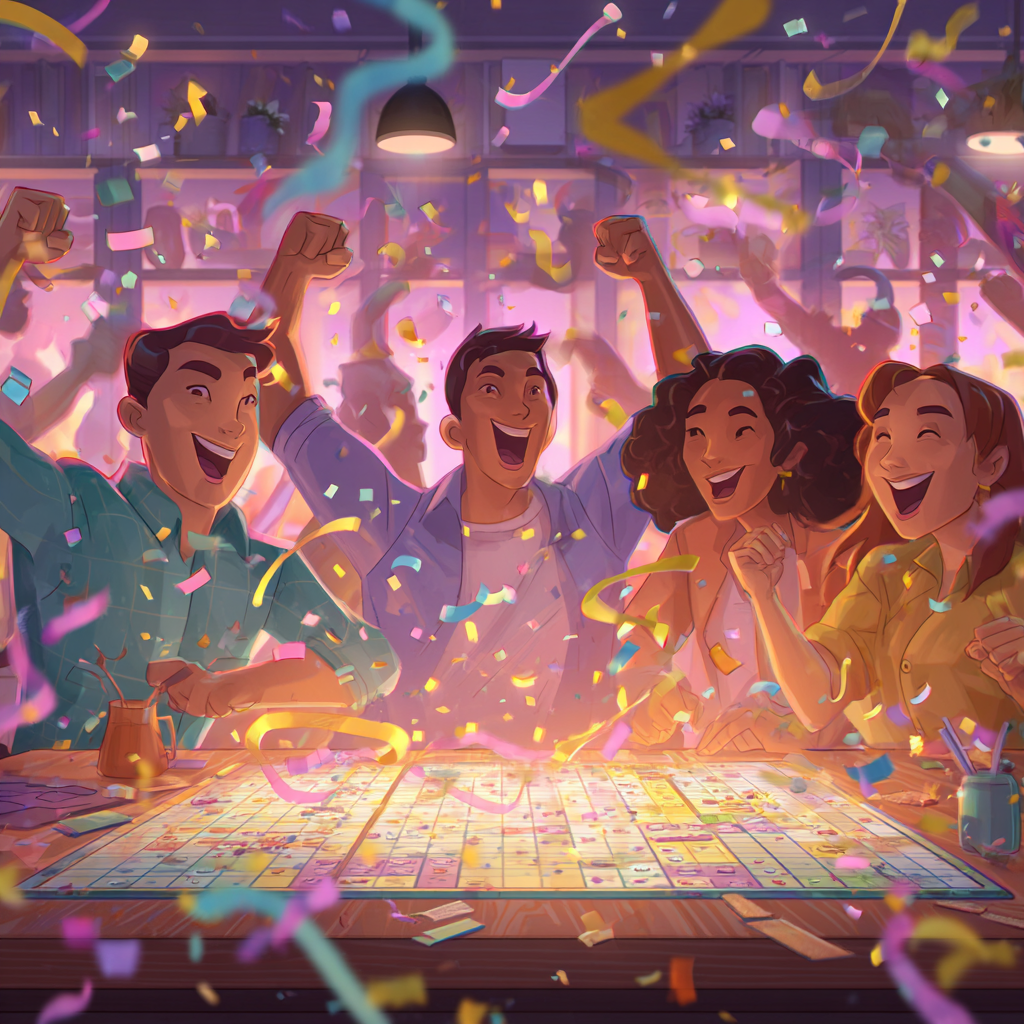
Some games become social the moment they hit the table. People gather. Voices rise. Small moments start to feel big. The rules matter, but the energy in the room matters more. These games build a shared mood and turn the night into something memorable. A strong social game can do that with ease.
Craps as a Social Force
Craps stands out as one of the most social games ever created. It looks fast. It sounds fast. It feels fast. Players crowd around a long layout and lock onto the same roll of the dice. One shooter steps forward. Two dice fly and hit the table with a sharp bounce. The sound alone wakes people up.
The basic flow is simple. The shooter rolls two dice. A few totals win instantly. A few lose instantly. Many create a “point” that sets the stage for repeat rolls. The room grows tense when a point stays active. You can feel the group lean in. People who met only minutes before start cheering together. A hot streak can bring the whole table into the same hopeful state.
This sense of unity is the core of craps. Everyone wants the dice to land well. Everyone shares the same high or low. It creates a social bond that few games can match.
Even online versions keep a big part of this feeling – craps online has proven very popular. Digital tables show the same rolls and the same chase for a point. The rhythm stays strong while the social heartbeat remains.
View this post on Instagram
Codenames and Team Thinking
Codenames became a hit because it pulls people into a shared brainwave. Two teams sit across from each other. A grid of words fills the table. Each team has a spymaster who gives a single clue, and then the rest of the team tries to match that clue to the right words. A simple hint can spark a long chain of guesses. The table fills with whispers and quick debates.
It runs at a nice pace. Moments of silence mix with bursts of laughter. A strange clue can confuse the group…or shift into sudden clarity. When a team nails a tough round the joy is real. The game brings people together through small wins and clever thinking.
Secret Hitler and Hidden Roles
Controversially named game? Perhaps! Hidden-role games thrive on tension. Secret Hitler is one of the strongest examples.
Players take secret roles that place them on different sides. Some must hide. Some must find the truth. Conversation becomes the main tool. Players question each other and build or break trust. A small grin can spark doubt. A long pause can shift the whole room.
No two rounds feel the same. Groups craft their own inside jokes and patterns. The game builds social drama in a natural way. People must read each other and act in ways that keep the table guessing. Many players remember the discussions long after the game ends.
Telestrations and Pure Laughter
Telestrations shows that a game can be social without pressure. It blends drawing and guessing in a simple loop. One person draws a word. The next guess at the drawing. The next draws the guess. The chain continues until the final reveal. The last page often looks nothing like the first.
This creates huge laughs. Mistakes make the game better. No skill is required. Even a rough sketch can lead to wonderful chaos. Groups love it because it levels the field and keeps everyone moving. People relax and enjoy the creative mess – it’s funny no matter what the outcome.
Why These Games Connect So Well?
Social board games hit different notes yet share the same core idea. People want to play in a way that brings them closer. Craps gives fast group excitement.
Codenames pushes team thinking while Secret Hitler adds drama. Telestrations adds humor. Each game gives the group a reason to react together.
Games like these create a small world that lasts for an hour or two. Players step inside that world and share the experience. This can help shy people feel comfortable. It can help loud people focus. It can turn a quiet night into something energetic and fun.
The Rise of Social Gaming
More games keep leaning toward social play. Designers know that the shared moment is often the real hook. Modern groups want games that work well at parties or small gatherings.
They want clear rules and a steady flow of reactions. This has created a wave of titles that push players together rather than apart. Games with as few as two players can still have co-op and social elements.
Social games thrive because they turn a table into a stage. People bond over rolls, clues, guesses, and bluffs. Craps shows how powerful this can be with its noise and group excitement. Other board games build their own kind of connection.
